- Home
- Community Blog
- Best Boxing Shoes: How to Choose the Right Pair for Training
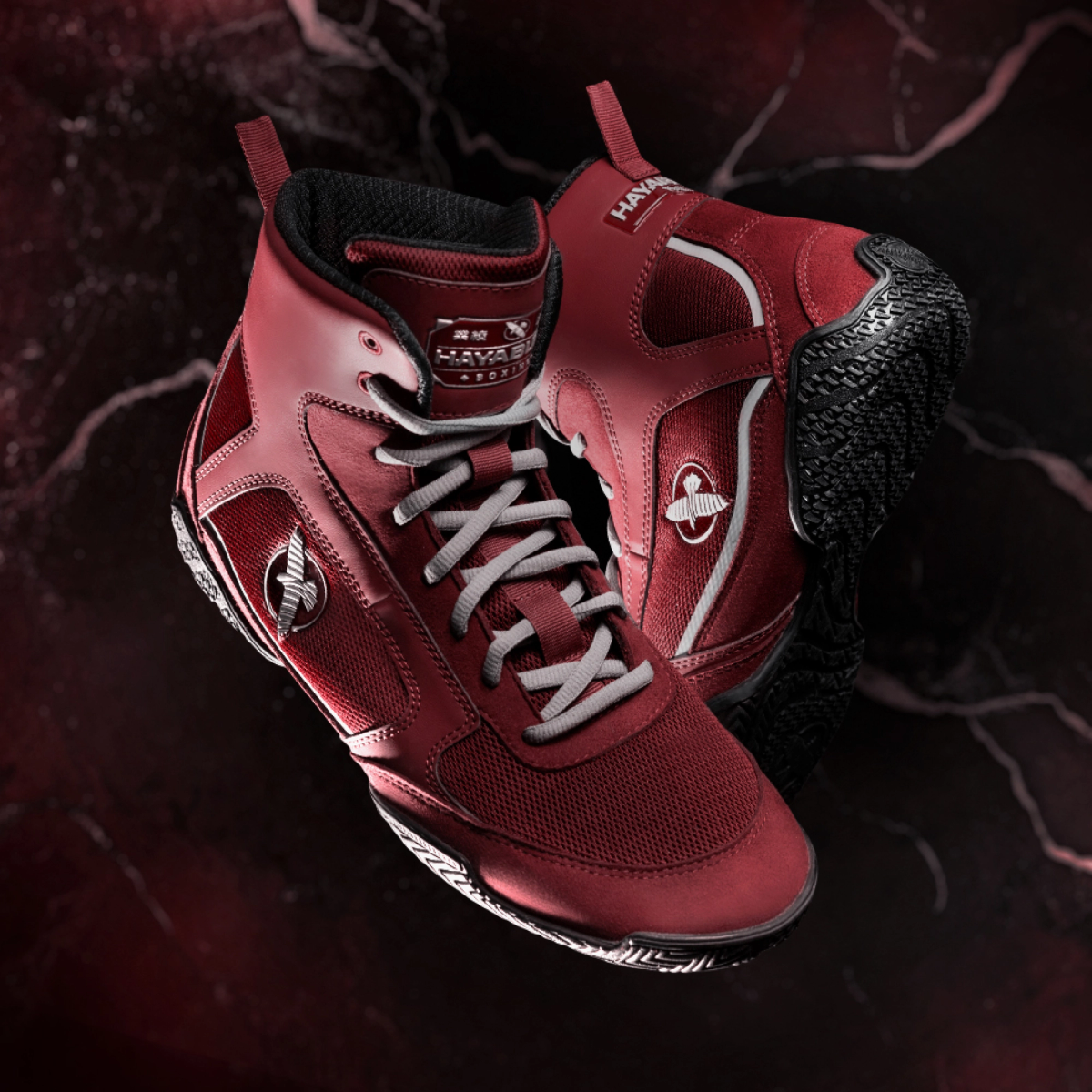
Best Boxing Shoes: How to Choose the Right Pair for Training
Boxing is as much about your feet as your hands. Every combination starts from the ground, whether you're stepping into range, pivoting around an opponent, or moving out after throwing a punch.
That's why regular gym trainers aren't always the best option once boxing becomes a serious part of your training.
The right boxing shoes are designed around the movements boxers make in training. But with different heights, fits, soles, and levels of support available, how do you know which pair is right for you?
Here's what to look for before buying your next pair.
Why Do Boxing Shoes Matter?
Running shoes are designed primarily for forward movement and cushioning. General training shoes need to accommodate many different exercises.
Boxing footwear has a different job.
Boxers constantly move in multiple directions, change angles, pivot, and transfer their weight from one foot to another.
A good pair of boxing shoes should help provide:
- Reliable grip
- Quick directional changes
- Smooth pivots
- A lightweight feel
- Secure ankle and foot support
- Good connection with the training surface
They shouldn't make you faster automatically, but they should allow you to move without your footwear getting in the way.
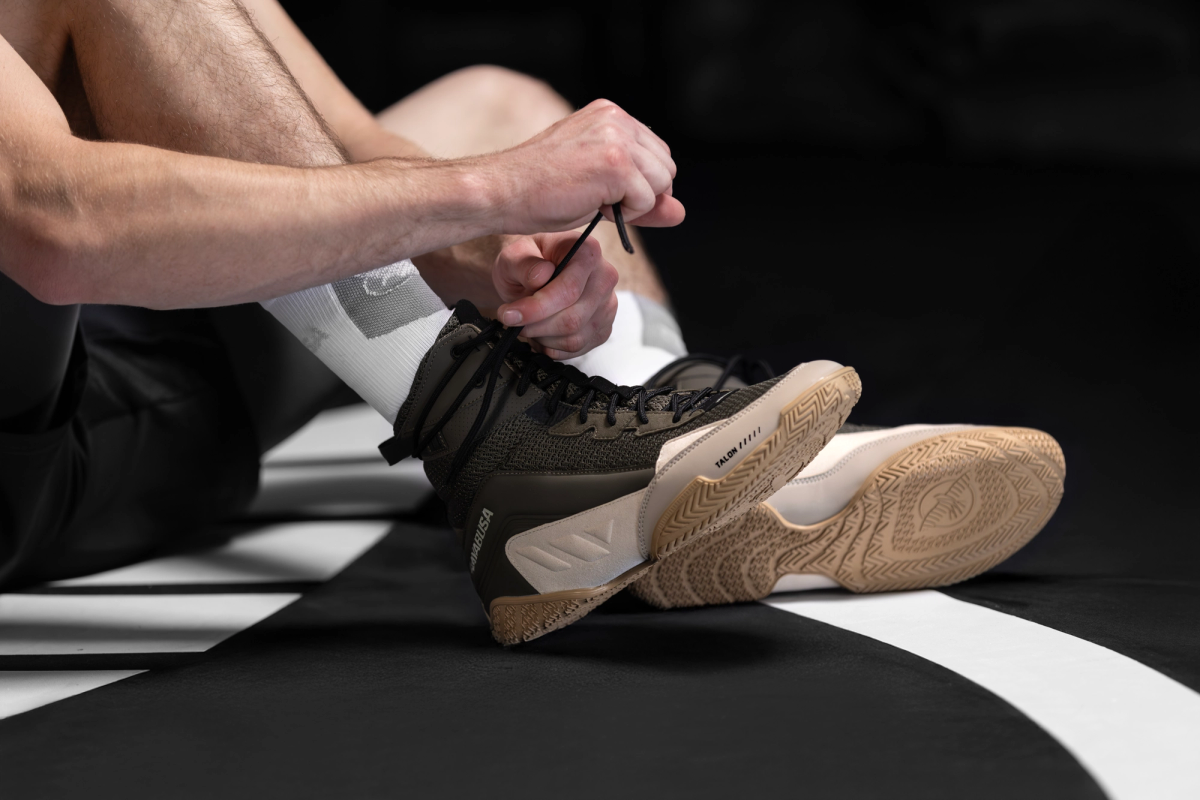
Boxing Shoes vs. Regular Training Shoes
If you're new to boxing, you may wonder whether dedicated shoes are really necessary.
For your first few classes, your gym may allow clean athletic shoes. But as your training becomes more boxing-specific, dedicated footwear can make more sense.
| Feature | Boxing Shoes | Regular Trainers |
|---|---|---|
| Primary purpose | Boxing movement | General exercise |
| Weight | Typically lightweight | Varies |
| Sole | Designed for grip and pivots | Often thicker |
| Ankle coverage | Varies by design | Usually lower |
| Footwork | Boxing-specific | General movement |
| Cushioning | Usually less bulky | Often more cushioned |
The difference becomes more noticeable as you spend more time working on footwork, combinations, and movement drills.
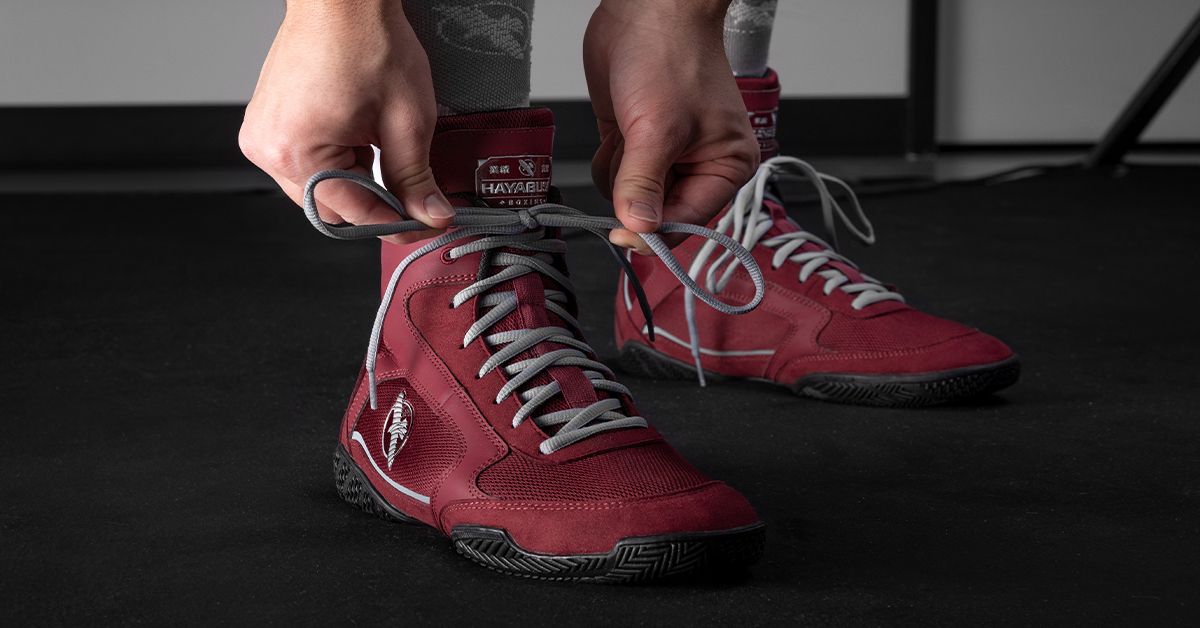
Look for the Right Balance of Grip and Pivot
More grip isn't automatically better.
Boxing shoes need enough traction to keep you stable when throwing punches and changing direction, but your feet also need to pivot naturally.
A shoe that grips too aggressively can make rotational movement feel awkward. Too little traction can leave you feeling unstable.
Look for a sole designed specifically around boxing movement rather than choosing footwear based solely on how much grip it provides.
How Much Ankle Support Do You Need?
Boxing shoes are available in different heights, from lower-profile designs to taller boxing boots that extend further above the ankle.
Your preference may depend on how much structure you like around your ankle.
Lower-Cut Boxing Shoes
A lower profile may appeal to athletes who prioritize freedom around the ankle and a lighter feel.
Higher-Cut Boxing Shoes
Higher designs provide more coverage around the ankle and can create a more secure, locked-in feeling.
Neither option is automatically better for every boxer. Comfort and personal preference play a major role.
The important thing is that the shoe feels secure without restricting your natural movement.
Lightweight Shoes Can Make Movement Feel More Natural
Boxing involves hundreds of small movements during a training session.
Extra bulk on your feet can become noticeable when you're repeatedly stepping, circling, pivoting, and changing direction.
That's why lightweight boxing shoes are popular among many athletes.
However, don't choose based on weight alone. The shoe still needs to provide the fit, traction, and stability you need.
The goal is a shoe you almost stop noticing once training begins.
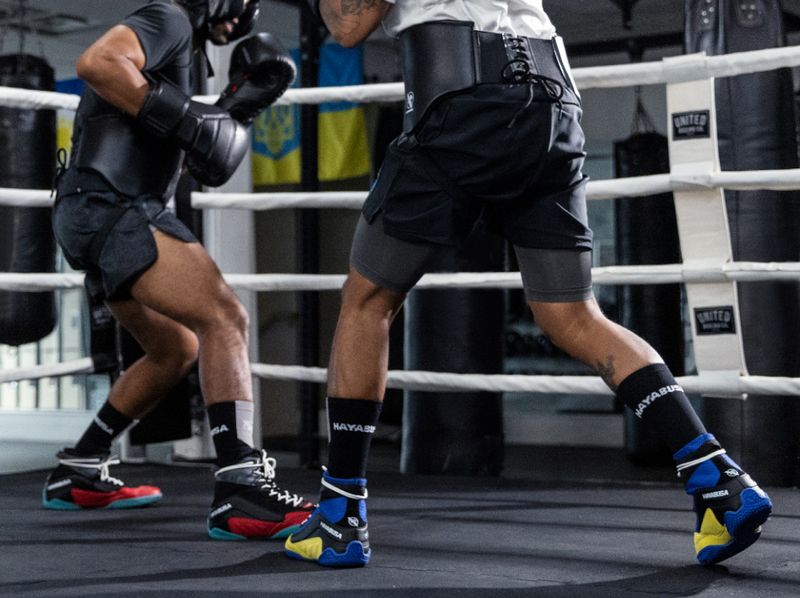
Fit Is One of the Most Important Factors
Even an excellent boxing shoe won't perform properly if it doesn't fit your foot.
Your shoes should feel secure enough that your feet aren't sliding around inside them during quick movements.
At the same time, they shouldn't create painful pressure around your toes or sides of your feet.
Look for:
- A secure heel
- Minimal movement inside the shoe
- Comfortable toe positioning
- No painful pressure points
- A stable feel during lateral movement
When possible, check the sizing guide rather than automatically ordering the same size you wear in every other shoe.
Different footwear designs can fit differently.
Think About Where You Train
The surface you train on can influence how your boxing shoes feel.
A dedicated boxing gym may have a different floor surface from a home gym or general fitness facility.
Before buying, consider where you'll use your shoes most frequently.
It's also a good idea to keep boxing shoes primarily for indoor training. Wearing them outside can add unnecessary wear and bring dirt onto gym training surfaces.
Are Boxing Shoes Good for Heavy Bag Training?
Yes. Boxing shoes can be useful for heavy bag sessions, particularly when you're actively incorporating footwork.
Instead of standing directly in front of the bag, boxing shoes allow you to practice:
- Stepping in and out
- Moving laterally
- Changing angles
- Pivoting after combinations
- Circling the bag
This helps make heavy bag training more movement-focused rather than treating it only as a punching workout.
Pair your footwear with appropriate boxing gloves and hand wraps for a more complete training setup.
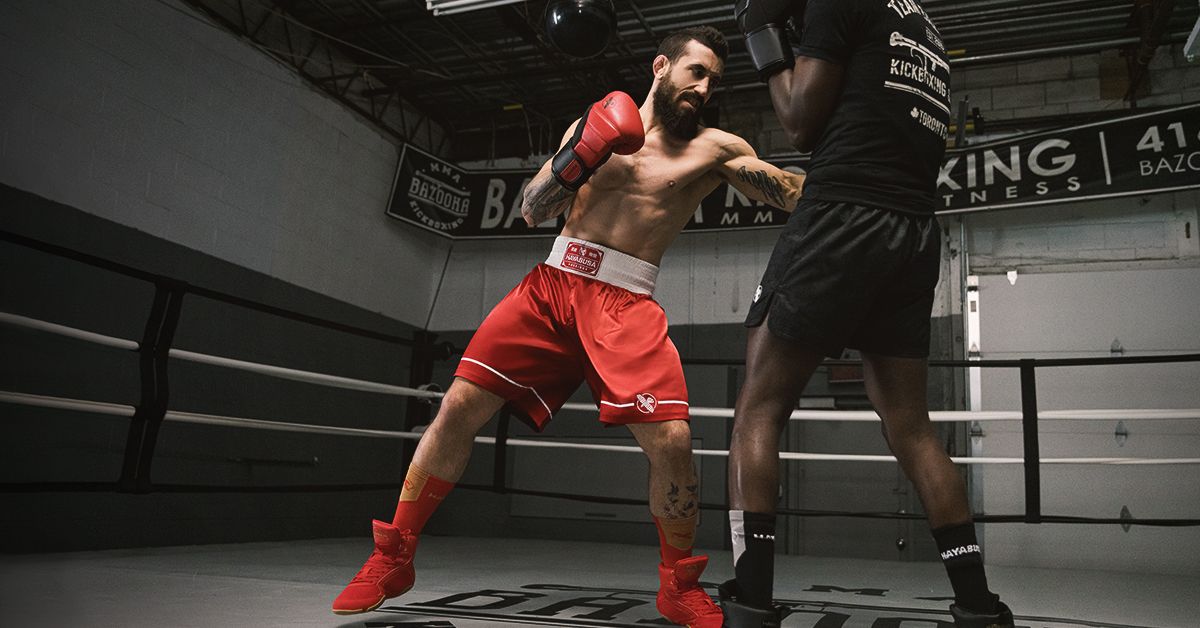
When Should a Beginner Buy Boxing Shoes?
You don't necessarily need boxing shoes before attending your first class.
Start training, learn the basics, and make sure boxing is something you plan to continue.
Once you're training consistently and beginning to work seriously on footwork, dedicated boxing training shoes become a more worthwhile addition to your gear.
For many beginners, a practical order is:
1. Boxing gloves
2. Hand wraps
3. Boxing shoes
4. Additional training gear
If your gym has footwear requirements, follow those first.
When Should You Replace Your Boxing Shoes?
Like any training footwear, boxing shoes eventually wear down.
Consider replacing yours if:
- The sole has lost significant traction.
- The shoe no longer feels secure.
- The upper material is damaged.
- The sole is separating.
- Your foot moves excessively inside the shoe.
- They have become uncomfortable during training.
How long they last will depend on your training frequency, movement style, and how you care for them.
Using them primarily for boxing rather than everyday walking can help reduce unnecessary wear.
Boxing Shoes Buying Checklist
Before choosing your pair, ask yourself:
- Do they fit securely?
- Can I pivot comfortably?
- Do they provide enough traction?
- Do I prefer a lower or higher cut?
- Do they feel lightweight during movement?
- Is there enough room for my toes?
- Does my heel stay secure?
- Are they appropriate for my training surface?
- Will I use them specifically for boxing?
Your answers will help narrow down your options much faster than choosing based on appearance alone.
Find the Right Boxing Shoes for Your Footwork
The best boxing shoes should support the way you move—not distract you from it.
Prioritize fit, traction, flexibility, weight, and ankle support, then consider which design feels best for your training style.
As your boxing develops, dedicated footwear can become an important part of your setup alongside your gloves and wraps.
Explore Hayabusa boxing shoes to find boxing footwear built for quick footwork, pivots, and training round after round.
