- Home
- Community Blog
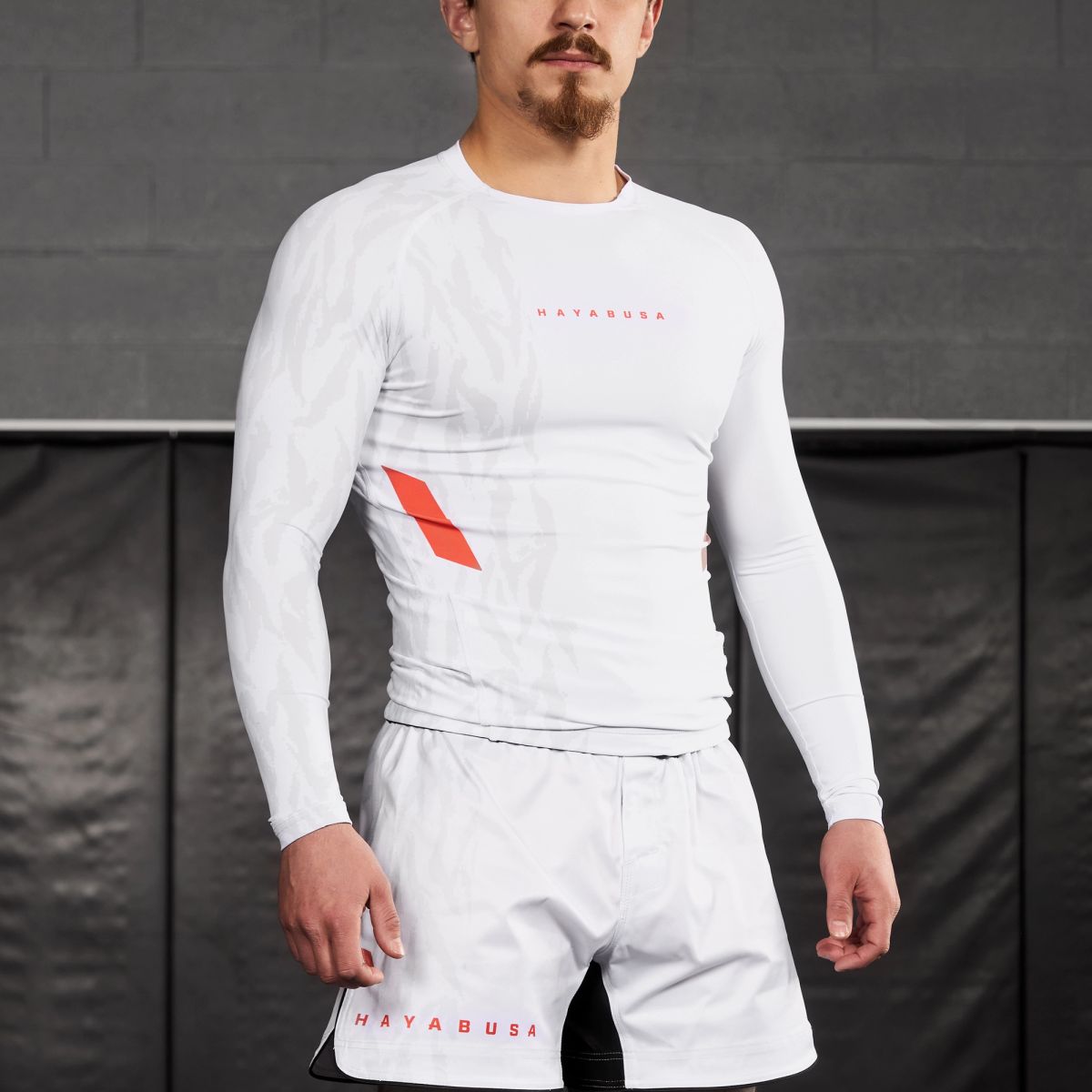
- Best BJJ Rash Guards: What to Look For Before You Buy
Best BJJ Rash Guards: What to Look For Before You Buy
A rash guard may look like a simple piece of training apparel, but once you start rolling regularly, the differences between a regular athletic shirt and a well-designed BJJ rash guard become much easier to notice.
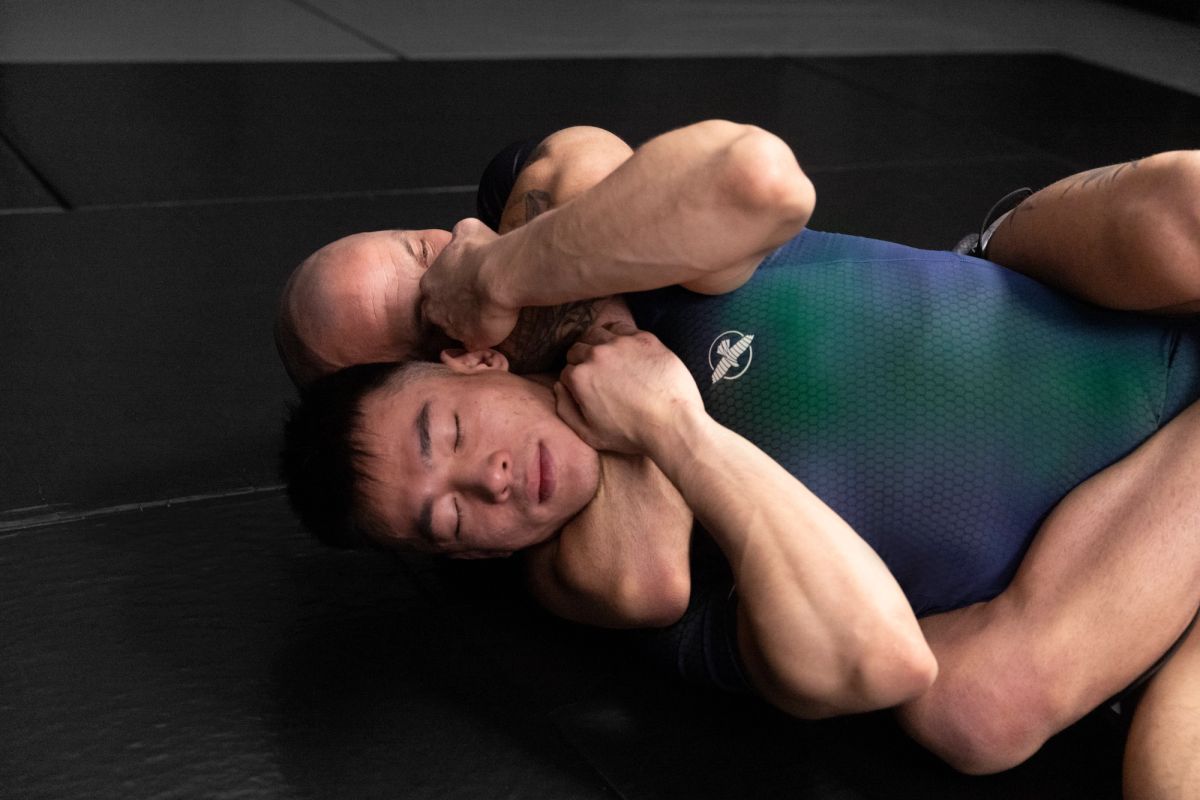
Jiu-Jitsu involves constant pulling, twisting, pressure, and contact with the mats. Your rash guard needs to stay in place through all of it without restricting your movement.
Whether you're starting No-Gi BJJ or replacing an older rashguard, here's what to consider before buying your next one.
Why Wear a Rash Guard for BJJ?
Rash guards are designed to fit close to the body. That makes them particularly useful for grappling, where loose clothing can bunch up or become distracting during transitions and scrambles.
A BJJ rash guard can provide:
- Close-to-body coverage
- Less loose fabric during grappling
- Freedom of movement
- A layer between your skin and the mats
- Moisture management during intense sessions
Rash guards can also be worn underneath a Gi, depending on your preference and academy rules.
Start With the Right Fit
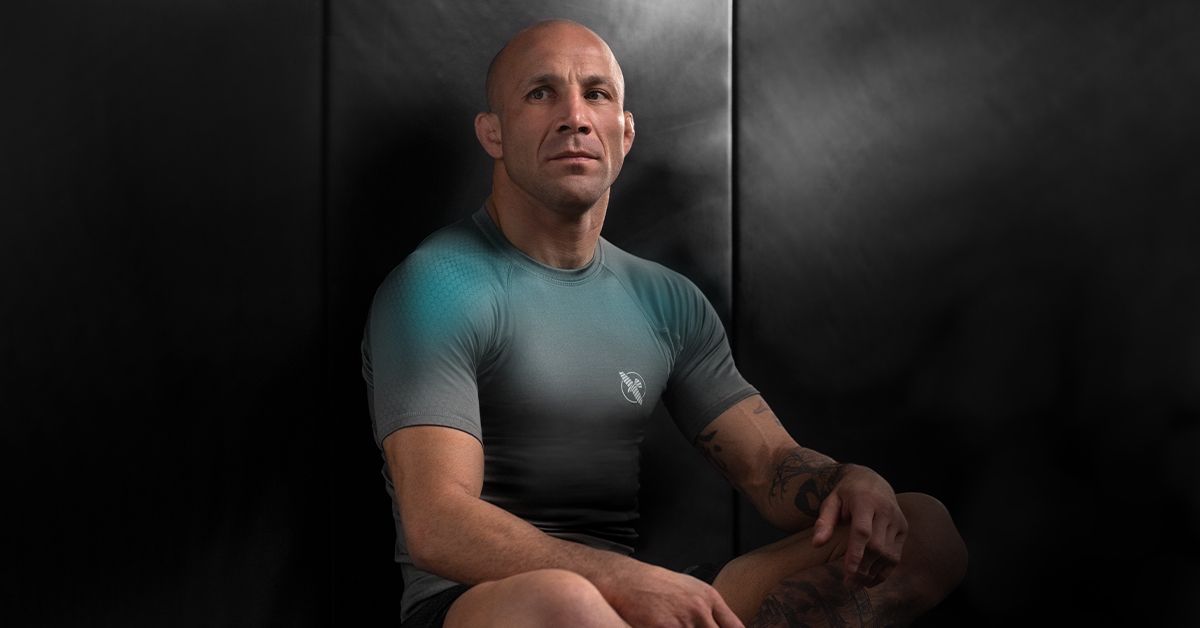
Fit should be one of your first considerations.
A Jiu-Jitsu rash guard should sit close to your body without making your shoulders, arms, or torso feel restricted.
If it's too loose, it may shift or bunch during training. If it's excessively tight, it can become uncomfortable and interfere with movement.
When trying one on, move the way you would during training. Raise your arms, rotate your shoulders, squat, and twist your torso.
The rash guard should move with you and return to position without requiring constant adjustment.
Long Sleeve or Short Sleeve?
Both can work well for BJJ. The better option comes down largely to your training environment and personal preference.
| Feature | Short Sleeve | Long Sleeve |
|---|---|---|
| Arm coverage | Less | More |
| Feel | More open | More covered |
| Warm training environments | Often preferred | Personal preference |
| Mat contact | More exposed skin | More arm coverage |
| No-Gi training | Yes | Yes |
If you tend to get hot quickly, you may prefer short sleeves. If you want more coverage between your arms and the mats, long sleeves can be a good option.
Some athletes keep both styles in their rotation.
Look for Freedom of Movement
BJJ puts your body into positions that ordinary gym clothing isn't always designed for.
Your rash guard needs to accommodate:
- Guard work
- Takedowns
- Scrambles
- Shoulder rotation
- Bridging
- Shrimping
- Submission movements
Stretch and construction matter because the garment needs to move in multiple directions without feeling restrictive.
Explore Hayabusa Jiu-Jitsu rash guards designed specifically for grappling and combat-sports training.
Pay Attention to the Seams
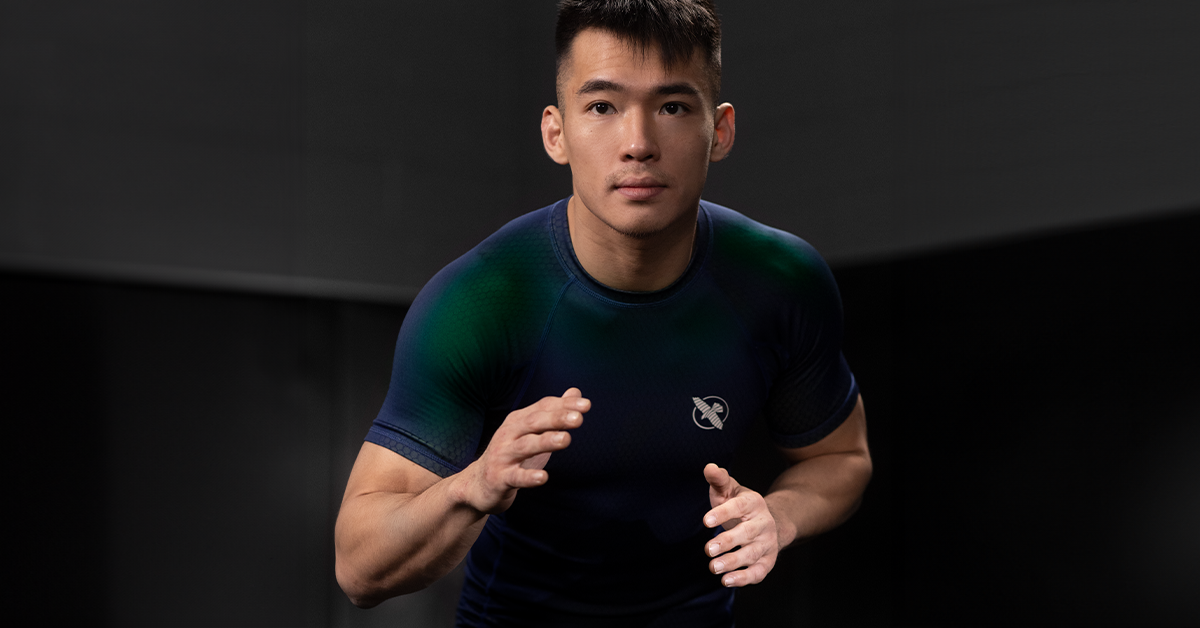
Seams may seem like a small detail until you're spending an hour rolling on the mats.
Poorly positioned or bulky seams can become uncomfortable when you're repeatedly moving against the floor or another athlete.
Look for construction designed to minimize unnecessary irritation while maintaining durability.
This becomes especially important if you train BJJ several times per week.
Durability Matters for Frequent Training
BJJ apparel goes through a lot.
A typical rash guard may be stretched, pulled, soaked with sweat, washed, dried, and then used again just a few days later.
If you train frequently, look for a rash guard built for repeated use rather than choosing solely based on appearance.
Pay attention to:
- Fabric quality
- Stitching
- Stretch recovery
- Overall construction
- How well the garment maintains its fit
A rash guard that loses its shape quickly can become frustrating during grappling.
What Should You Wear With a BJJ Rash Guard?
For No-Gi training, rash guards are commonly paired with grappling shorts or Jiu-Jitsu shorts.
This combination keeps your training outfit streamlined while allowing plenty of hip and leg movement.
Another option is adding BJJ spats underneath your shorts for additional leg coverage.
A simple No-Gi setup might look like:
Rash guard + grappling shorts
Or:
Rash guard + BJJ spats + grappling shorts
Which combination works best depends on your preferences and your academy's rules.
Rash Guard vs. Regular Compression Shirt
They may look similar, but they're not always designed for the same purpose.
A general compression shirt may work well for fitness training, while a BJJ rash guard is intended specifically for the movements and demands of grappling.
| Feature | BJJ Rash Guard | Regular Training Shirt |
|---|---|---|
| Close fit | Yes | Varies |
| Designed for grappling | Yes | Usually not |
| Minimal loose fabric | Yes | Varies |
| Mat-based training | Ideal | Depends on design |
| BJJ/No-Gi use | Primary purpose | General fitness |
If BJJ is a regular part of your training, choosing apparel specifically designed for grappling generally makes more sense.
How Many BJJ Rash Guards Do You Need?
If you train once or twice per week, one or two rash guards may be enough.
If you're training four or five days per week, having several in rotation can make things much easier.
You should wash your rash guard after each training session, so having multiple options prevents your training schedule from depending on your laundry schedule.
How to Take Care of Your Rash Guard
Proper care can help your rash guard maintain its fit and performance.
After training:
- Don't leave it wet inside your gym bag.
- Wash it after each session.
- Follow the care instructions on the garment.
- Allow it to dry completely before storing it.
- Avoid unnecessary exposure to excessive heat if the care label advises against it.
It's also a good idea to keep clean and used training apparel separated inside your gym bag.
BJJ Rash Guard Buying Checklist
Before buying, check:
- Does it fit securely without restricting movement?
- Do you prefer short or long sleeves?
- Is the fabric flexible enough for grappling?
- Is it designed to stay in place during movement?
- Are the seams comfortable?
- Is the construction suitable for frequent training?
- Does the sizing match the manufacturer's guide?
- Does it meet your academy or competition requirements?
If you're buying a rash guard for competition, always check the current rules of the organization you're competing under.
Find the Right Rash Guard for Your Ground Game
The best BJJ rash guards aren't simply the ones that look good. They should stay secure, move naturally with your body, handle repeated training, and keep you comfortable through drilling and rolling.
Start with fit, flexibility, coverage, and durability, then decide whether short or long sleeves better suit the way you train.
Explore Hayabusa BJJ rash guards and Jiu-Jitsu apparel to build a No-Gi setup that's ready for your next session.
